
Want to take jaw-dropping photos with your cell phone in 2026? We know that choosing the right device can be quite a task, with so many options on the market. This guide was created to help you find the cell phones with the best cameras for taking photos, whether you're an enthusiast wanting to capture your daily life or someone seeking professional quality. Let's unveil the models that promise to revolutionize the way we see mobile photography.
Main Highlights
- The Samsung Galaxy S25 Ultra is touted as the leader in mobile photography in 2026, featuring a 200MP main sensor and advanced AI capabilities.
- The iPhone Pro line, like the 17 Pro Max, continues to be a benchmark in image quality and consistency, ideal for those seeking the Apple experience.
- Larger sensors, wider lens apertures (such as f/1.8), and optical image stabilization (OIS) are important factors for sharp photos, especially in low light.
- Artificial intelligence (AI) plays an increasingly important role, optimizing images, recognizing scenes, and automatically enhancing details.
- Mid-range models like the Samsung Galaxy A55 and the Realme 12 Pro Plus offer great cameras at a good price, proving that you don't need to spend a fortune to get good results.
Unveiling the Giants: Smartphones With the Best Cameras
The search for the perfect smartphone for photos in 2026 leads us to a universe of technological innovations. Today's cutting-edge smartphones are not just communication tools, but true professional cameras that fit in your pocket. Whether you want to capture every detail with stunning clarity or the atmosphere of a moment with vibrant colors, the right choice makes all the difference. Let's take a look at the models that are setting the standard for quality in mobile photography.
Samsung Galaxy S25 Ultra: The Pinnacle of Mobile Photography
The Galaxy S25 Ultra positions itself as the undisputed leader for those seeking the ultimate in mobile photography. It doesn't disappoint, offering a camera setup that redefines what we expect from a smartphone. With a high-resolution main sensor, it captures details that were previously only possible with dedicated equipment. The built-in artificial intelligence works to optimize each shot, automatically adjusting colors, sharpness, and lighting, meaning that even the quickest shots come out with professional quality. The zoom is also a strong point, allowing you to zoom in without losing quality, ideal for capturing distant scenes with surprising clarity.
Samsung Galaxy S24 Ultra: Impressive Details
The Galaxy S24 Ultra remains a strong benchmark in the market, even with the arrival of new models. It stands out for the versatility of its camera system. Multiple sensors, each with a specific function, together deliver fantastic results in various lighting conditions and scenarios. The main camera, with its generous megapixels, guarantees photos rich in detail, while the secondary lenses, such as the ultrawide and zoom lenses, offer creative flexibility. The ProVisual Engine technology, present in this model, is an example of how Samsung invests in software to enhance the photographic experience, making each photo more vivid and realistic.
iPhone 17 Pro Max: The Benchmark in Image Quality
When it comes to consistent and reliable image quality, the iPhone 17 Pro Max emerges as a strong contender. Apple has a history of delivering a polished photographic experience, and this model is no exception. The camera system is designed to work seamlessly together, offering natural colors and accurate white balance in virtually all situations. Video recording is another area where the iPhone excels, with stability and cinematic quality. For those who value simplicity in capturing high-quality photos and videos without needing complex adjustments, the iPhone 17 Pro Max is a solid choice.
The Evolution of Photography in Your Pockets
Remember when taking a photo meant carrying a separate camera, with film and everything? Well, technology has taken a huge leap! Mobile photography, once a distant dream, is now within everyone's reach, transforming our cell phones into true high-performance cameras. This evolutionary journey is fascinating and has completely changed the way we record the world.
The Story Behind Mobile Cameras
The first cell phones with cameras were, let's say, quite basic. Taking a picture was more of a curiosity than a useful tool, with low-resolution images and pale colors. But things started to change quickly. Each year, manufacturers added better sensors, more efficient lenses, and, of course, more megapixels. This technological race has brought us to where we are today, where a smartphone can compete on equal footing with dedicated cameras in many situations. The history of... cell phones and their evolution It is characterized by this relentless pursuit of quality and practicality.
Advanced Sensors for Professional Captures
Today, the heart of a good cell phone camera is its sensor. It's responsible for capturing light and transforming it into an image. Larger sensors, with more pixels and innovative technologies, capture more detail and color, especially in low-light conditions. This means clearer and more vibrant night photos, without the grainy look that plagued older photos. The difference between a high-end sensor and a simpler one can be seen in:
- Details: The ability to capture fine textures and sharp outlines.
- Colors: A more faithful and rich reproduction of the tonalities, without excessive saturation.
- Low Light Performance: Less noise and more clarity in dark environments.
Artificial Intelligence in Service of Images
But it's not just the hardware that makes the magic happen. Artificial intelligence (AI) has become a powerful ally. It operates on several fronts, from scene recognition to automatically adjust settings to advanced image processing. AI is able to...
Optimize exposure, enhance colors, reduce noise, and even simulate depth effects, all in real time. This allows anyone, without technical knowledge, to take incredible photos with their cell phone.
This combination of cutting-edge hardware and intelligent software is what defines today's mobile phone cameras, making mobile photography more accessible and delivering increasingly impressive results.
Essential Criteria for Choosing Your Next Camera Phone
When choosing a cell phone focused on photography, you can't just buy the first one you see. You need to pay close attention to some technical details that make all the difference in the final result of your photos. Think of it like choosing the right tools for a job: each one has its function and importance.
Megapixels: More Detail for Your Photos
Many people think that the more megapixels, the better. And yes, in part, that's true. A sensor with more megapixels, like 50MP or even 200MP, can capture more information from the scene. This means your photos will have more detail, allowing you to crop part of the image without losing much quality, or to print larger photos with greater clarity. It's like having an image with a higher resolution, you know? But don't get hung up on just that number. A 12MP sensor with great technology can, in certain situations, deliver a better result than a 50MP sensor without the same manufacturing care.
Lens Aperture: The Light That Transforms Images
The lens aperture, represented by a number like f/1.8 or f/2.2, is another point that deserves attention. Basically, the smaller this number, the larger the lens aperture. And a larger aperture lets in more light. This is super important, especially in low-light environments, such as at night or indoors. More light means brighter photos, with less noise (those grainy bits that appear in dark photos) and more vibrant colors. For those who like to photograph in any condition, a large aperture makes a significant difference. It's one of the secrets to... amazing photos at any time of day.
Image Stabilization: Sharpness in Motion
You know when you take a picture and it comes out a little blurry, even though you think you were standing still? Often, this is due to hand movement. That's where image stabilization comes in. There are two main types: optical (OIS) and electronic (EIS). OIS is generally considered superior because it physically moves the lens to compensate for shake. EIS, on the other hand, uses software to correct movement. Both help ensure that your photos and videos are sharper, even if you're walking, in a car, or in low-light conditions where the exposure time is longer. It's a feature that makes a noticeable difference, especially for those who frequently record videos.
Additional Features: Zoom, Night Mode, and More
Beyond these main points, keep an eye out for other features. Zoom is one of them: optical zoom allows you to zoom in on the image without losing quality, unlike digital zoom which only crops the photo. Night mode, which uses software and processing to brighten and detail photos in dark environments, has become almost mandatory. Other things like fast autofocus, portrait modes with background blur (bokeh), and even artificial intelligence features that automatically adjust the scene can be a great bonus. Think about what you enjoy photographing most and see which features best suit your style.
Samsung: Leadership in Cameras for Incredible Photos
When it comes to smartphone photography, Samsung consistently positions itself at the forefront, offering devices that not only meet but exceed the expectations of image enthusiasts. The South Korean brand invests heavily in research and development, resulting in cameras that capture stunning detail and vibrant colors, even in challenging lighting conditions. If you're looking for a phone that transforms everyday moments into visual works of art, the Galaxy line is your destination.
Galaxy S25 Ultra: The Undisputed Champion
The Galaxy S25 Ultra, launched in 2026, solidifies Samsung's position as the absolute leader in camera technology. Equipped with a 200MP main sensor, it redefines what's possible in terms of detail and clarity in photos taken with a mobile phone. Versatility is another strong point, with ultrawide and periscope telephoto lenses that guarantee spectacular captures, whether in wide landscapes or distant close-ups. The embedded artificial intelligence works tirelessly to optimize each click, adjusting colors, sharpness, and reducing noise almost magically. For those who demand the best photographic technology available, the The Galaxy S25 Ultra is the choice..
Galaxy S24 Ultra: Versatility and Power
Even with the arrival of the S25 Ultra, the Galaxy S24 Ultra remains a giant in mobile photography. Its quad-camera system, led by a 200MP sensor, offers incredible flexibility. The up to 10x optical zoom allows you to capture details at long distances without loss of quality, something few can match. Integration with AI, through the ProVisual Engine, enhances image processing, recognizing scenes and objects to deliver consistent, high-quality results. It's a device that combines processing power with an impressive camera setup.
Galaxy S24+: The Perfect Balance Between Design and Performance
For those seeking a remarkable balance between elegant design and cutting-edge photographic performance, the Galaxy S24+ presents itself as a fantastic option. It may not boast all the megapixels of the Ultra model, but its cameras deliver photos with rich colors and precise details, especially in good lighting. The user experience is fluid, and Samsung's software features, such as enhanced Night Mode and image stabilization, ensure that your photos and videos come out sharp and vibrant, even in more challenging situations. It's a phone that pleases both aesthetically and in its ability to capture great moments.
Galaxy S24 FE: Affordable Quality for Everyday Use
Samsung's Fan Edition (FE) line has always sought to democratize access to cutting-edge technologies, and the Galaxy S24 FE is no exception. It boasts a very competent camera setup for its price range, allowing average users to capture quality photos for social media and memories. While it may not directly compete with top-of-the-line models in all scenarios, it offers solid performance, with pleasing colors and good sharpness in ideal conditions. This proves that Samsung cares about providing good photographic experiences across different market segments.
Beyond Samsung: Other Photographic Powerhouses
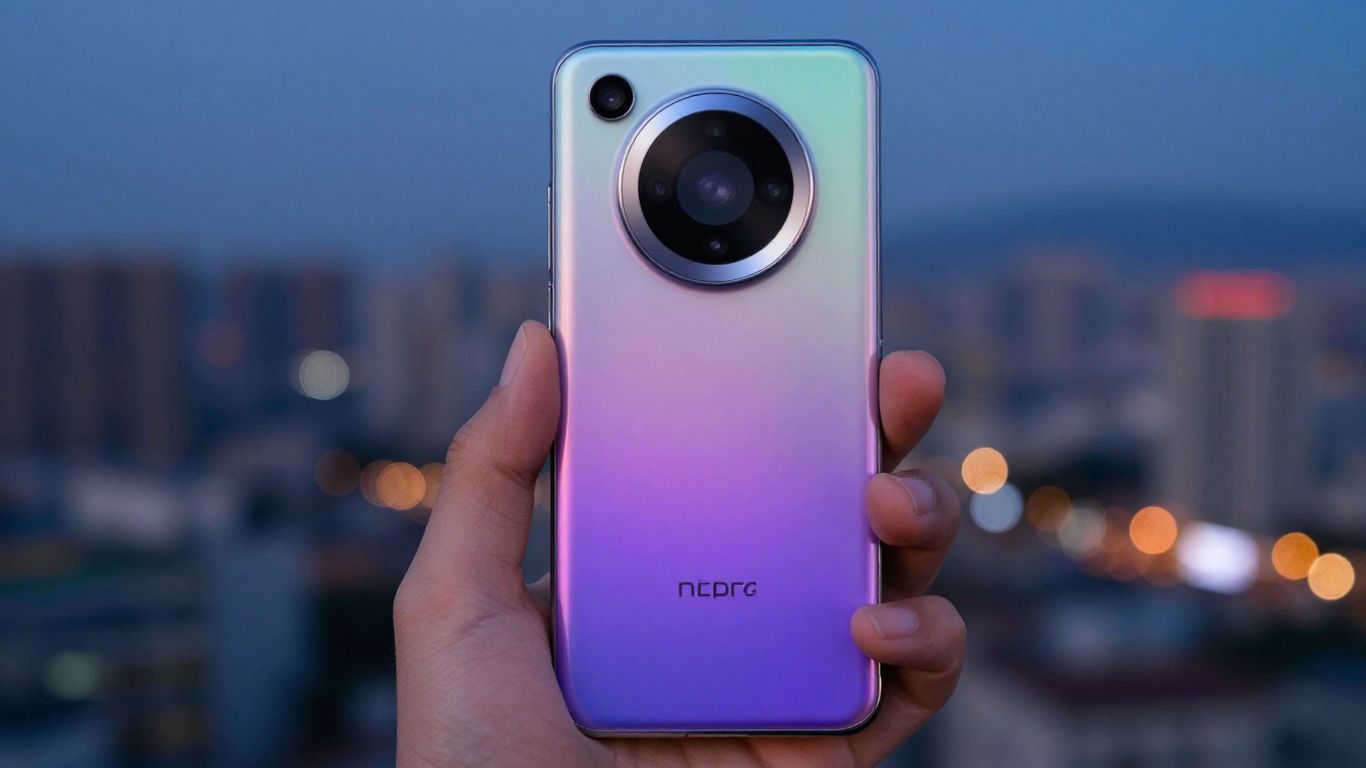
Although Samsung dominates many lists, the market for smartphones with high-end cameras is much broader. Other brands have invested heavily in photographic technology, bringing innovations that directly compete with the South Korean giants. If you're looking for alternatives, keep an eye on these models.
iPhone 17 Pro Max: The Benchmark in Image Quality
The iPhone 17 Pro Max remains a strong name when it comes to mobile photography. Apple focuses on image processing that strives for naturalness, with faithful colors and a white balance that rarely fails. For content creators and those who value consistency, it's a solid choice. Integration with the Apple ecosystem also facilitates workflow for those already using other Apple devices. The video quality is undoubtedly one of its greatest strengths., with smooth recordings and impressive stability, even while in motion.
- Sensors: Although megapixels aren't the primary focus, Apple optimizes each pixel to capture as much light and detail as possible.
- Processing: The AXX Bionic chip, combined with the software, does a remarkable job in complex scenes, such as backlit and low-light environments.
- Video: Recording in Dolby Vision HDR and modes like Cinematic offer results worthy of professional production.
Xiaomi 14T Pro: Premium Value for Money
Xiaomi has distinguished itself by offering top-of-the-line specifications at more competitive prices, and the 14T Pro is no exception. It seeks a balance between robust hardware and intelligent software, often with partnerships that add value, such as Leica lenses in some previous models. The idea here is to deliver a rich photographic experience without breaking the bank. It's a device that proves you don't need to spend the price of a car to get truly good photos.
The search for a cell phone with an excellent camera doesn't have to mean spending a fortune. Models like the Xiaomi 14T Pro show that it's possible to have cutting-edge technology with a more conscious investment.
- Lenses: Often equipped with lenses from renowned brands, which can mean a special touch in colors and contrast.
- Versatility: It generally offers a versatile set of cameras, covering everything from wide-angle to telephoto.
- AI: Artificial intelligence features help optimize scenes, making photos more pleasing.
Motorola Edge 50 Ultra: Motorola Innovation
Motorola has been showing that it's not messing around in the camera segment. The Edge 50 Ultra, for example, relies on high-resolution sensors and an eye-catching design. The brand has been working to improve its image processing, seeking a more natural look with good detail. It's an interesting option for those who want to move away from the obvious and try something new in the world of mobile photography. Motorola also tends to pay attention to the user experience, with a clean interface and useful features. For those looking for a cell phone with advanced camera, It's worth checking out the new features of the Edge line.
- Design: Often, models in the Edge line combine powerful hardware with a modern look and quality materials.
- Software: Motorola has invested in camera features that simplify use without sacrificing quality.
- Performance: Combined with powerful processors, the Edge 50 Ultra's camera system promises to deliver satisfactory results in a variety of conditions.
What Makes a Cell Phone Camera Exceptional?
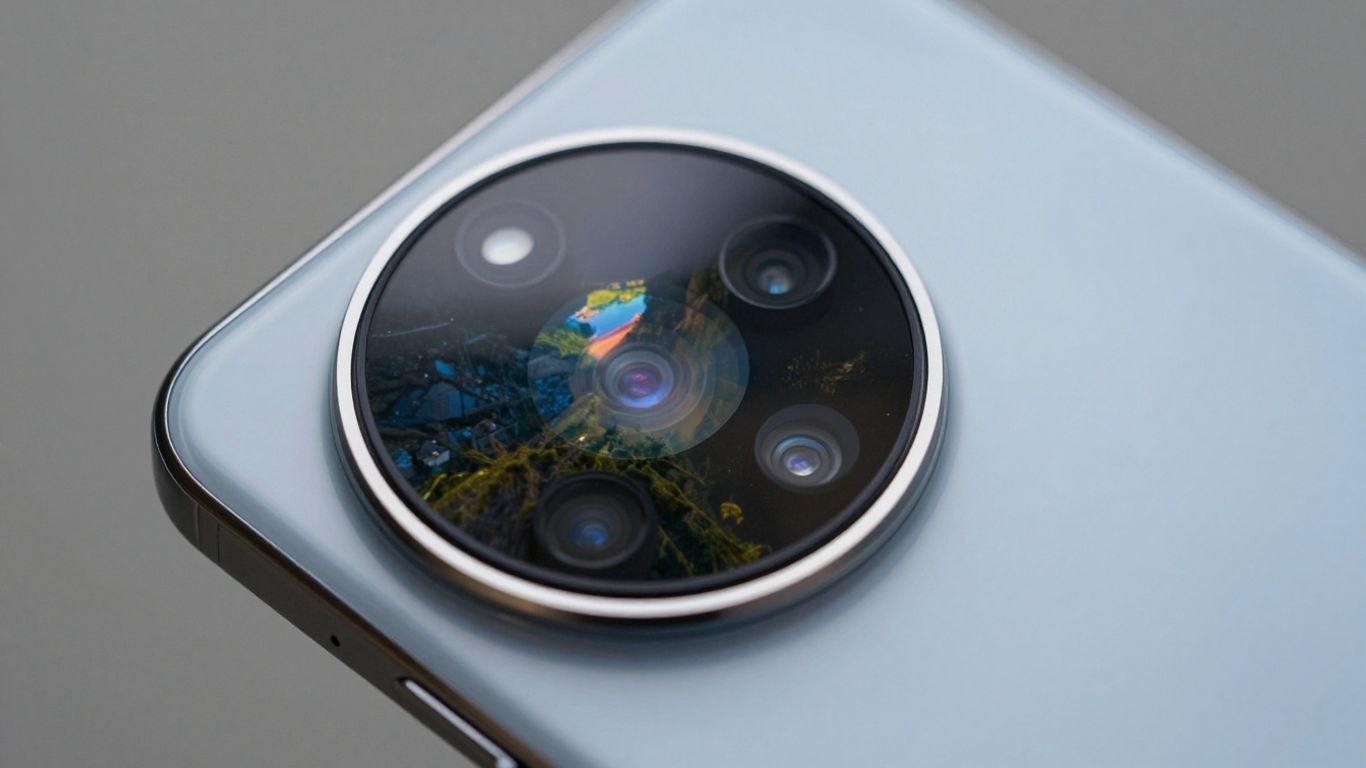
The Importance of the Lens Set
When we think about taking a great photo with our cell phone, the main camera immediately comes to mind, right? But the truth is that a well-thought-out set of lenses makes all the difference. It's not just a big sensor that guarantees the perfect photo. It's the combination of lenses that work together to capture different types of images. Think of a main lens for everyday use, an ultrawide for wide landscapes, and a telephoto lens to get closer without losing quality. Each one has its role.
The Role of Artificial Intelligence in Publishing
Artificial intelligence (AI) has become a great ally for mobile phone photographers. It's not just there to make the photo look better after it's taken, but also to help at the moment of the click. AI can identify what's in the scene – a person, a landscape, food – and adjust the settings automatically. This means more vibrant colors, sharper details, and less noise, even in challenging lighting conditions. It's like having a professional photographer in your pocket, adjusting everything in real time.
AI in mobile phone cameras has evolved significantly. It not only improves existing photos but also assists in the capture process, recognizing scenes and optimizing parameters for more consistent, high-quality results, even for those without much experience.
Video Recording: 8K Quality and More
Recording high-resolution videos has become a significant differentiator. The ability to film in 8K, for example, offers an impressive level of detail, allowing you to cut and zoom in on scenes without losing much quality. But it's not just the resolution that matters. Image stabilization is essential to avoid shaky videos, especially when you're moving. A good frame rate (such as 60fps) also ensures smooth scenes. For those who like to record everything, from a walk in the park to a special event, video quality is just as important as photo quality.
Capturing Special Moments: Mobile Photography Tips
You know that perfect photo you saw online? Often, it's not just the phone that makes the magic happen. We can also add a special touch to our own images with a few simple tips. Let's go?
Taking Advantage of Natural Light for Better Photos
Light is the soul of photography, right? And natural light, ah, that's unbeatable. Trying to photograph near a window, or outdoors, especially in the early morning or late afternoon (the so-called 'golden hour'), makes a huge difference. The light is softer, the shadows less harsh, and the colors gain a special glow. Avoid using the flash whenever possible., However, it can flatten the image and make everything look artificial. If you are indoors in low light, find the nearest light source and position your object or person so that the light falls on them in a pleasant way.
Composition: Rules That Elevate Your Image
Composition is basically how you arrange the elements in a photo. You don't need to be an artist to think about it. A simple rule is the rule of thirds: imagine dividing your screen into nine equal squares with two horizontal and two vertical lines. Try placing what you want to highlight at the points where these lines intersect, or along them. This makes the photo more interesting and balanced. Another cool thing is to think about lines: straight lines, curves, diagonals can guide the viewer's eye to the main point. Play with angles too; sometimes, photographing from below or above changes everything.
Post-Capture Editing: Refining Your Records
After taking the photo, the work isn't over! A little editing can transform a good image into something spectacular. You don't need complicated programs. Most cell phones already come with basic editing tools that allow you to adjust brightness, contrast, saturation (colors), and crop the photo to improve the composition. If you want to go a little further, there are free apps that offer more options, such as filters and finer adjustments. Remember: the goal is to enhance what's already good, not to create something completely different. A subtle touch makes all the difference in giving your photos that special something. look professional.
Mid-range cell phones with amazing cameras.
Sometimes, we don't need to spend a fortune to have a cell phone that takes great photos. The market is full of mid-range options that deliver surprising results, especially for everyday use and sharing on social media. These devices focus on delivering a good main sensor, which is what most people use, and add other lenses to provide a bit more versatility without breaking the budget.
Galaxy A55: The Ideal Balance
The Samsung Galaxy A55 stands out for offering a very complete package for those looking for a phone with a good camera without spending too much. It comes with a main sensor that captures images with vibrant colors and a good level of detail, something Samsung does very well. HDR works in a balanced way, leaving photos with a pleasant look, especially for those who like more vivid colors. The ultrawide camera complements the set, allowing you to capture wider scenes, although it may perform slightly worse in low light conditions. The front camera is decent for selfies and video calls, fulfilling its role well for the audience looking for a device for everyday use.
Realme 12 Pro Plus: Innovative Periscope Zoom
The Realme 12 Pro Plus caught attention for bringing a feature previously only seen in more expensive models: a periscope camera. This means it has a much more powerful optical zoom, allowing you to get closer to the object without losing much quality. For those who like to photograph distant details or want more flexibility in compositions, this is a great addition. The main sensor also delivers good photos, with interesting colors and good image processing. It's a device that shows you don't need to spend the price of a top-of-the-line phone to have more advanced camera technologies.
Redmi Note 14 Pro: An Affordable and Effective Option
For those looking for a camera phone that won't break the bank, the Redmi Note 14 Pro is a choice to consider. It usually comes with a main sensor with a high number of megapixels, which translates to photos with plenty of detail, especially in good lighting. Although the secondary cameras, such as the ultrawide, may not be as impressive as the main one, they are still useful for various situations. The front camera generally offers good performance for quick selfies and for use on social media. It's a device that proves it's possible to have a satisfying photographic experience without spending a lot.
Choosing a mid-range cell phone with a good camera involves looking beyond megapixels. It's important to consider how the phone's software processes images, the quality of the secondary lenses, and whether extra features like zoom or night mode meet your needs. A good balance between hardware and software is what makes the difference in these models.
Key features to look for in mid-range cameras:
- Main Sensor: Generally, the strong point is good resolution and lens aperture.
- Ultrawide Camera: Useful for landscapes and group photos, check the viewing angle.
- Macro/Telephoto Camera: It can vary quite a bit; optical zoom is a key differentiator.
- Front Camera: Important for selfies and video calls, check the resolution and features like autofocus.
To conclude: Which cell phone to take home?
So, did you get an idea of which cell phone with the best camera will be your go-to phone in 2026? We know that choosing a new device can be complicated, especially with so many good options on the market. But, thinking about it, the most important thing is that the phone meets your needs, whether it's for capturing everyday moments, taking incredible photos on trips, or even for those who work with images. The models we've shown here, especially those in the Galaxy S Ultra line, are truly impressive, but there are great alternatives in other price ranges that also deliver very cool results. Take a look at your priorities, your budget, and choose the one that will make your photos shine. Happy shooting!
Frequently Asked Questions
Which cell phone has the best camera in 2026?
In 2026, the Samsung Galaxy S25 Ultra is considered the champion of mobile photography. It comes with a super-powerful 200MP main sensor that takes photos full of detail. In addition, it features advanced ultrawide and telephoto cameras and plenty of artificial intelligence to make your photos even better, especially in low-light environments.
What makes a cell phone camera so good?
Several factors make a cell phone camera incredible. The number of megapixels (MPs) helps to capture more detail in photos. The lens aperture (such as f/1.8) is important for capturing more light, which is great for night photos. Image stabilization prevents photos from blurring, even if you move. And artificial intelligence helps to automatically improve colors and details.
Is it true that more megapixels means a better photo?
Not necessarily. Having many megapixels helps capture more detail, which is great if you like to zoom in or print your photos. But the lens quality, sensor size, and image processing done by the phone are also very important for the final result.
Does artificial intelligence (AI) really improve cell phone photos?
Yes, AI makes a big difference! It helps the phone recognize what you're photographing, adjusting colors, brightness, and details to make the image more beautiful. In night photos, AI is essential for brightening the scene without making everything grainy.
What is the difference between optical zoom and digital zoom?
Optical zoom uses the phone's lenses to magnify the image without losing quality, just like a professional camera. Digital zoom, on the other hand, only crops and enlarges the photo, which can leave the image with less detail and more 'blocky'.
Do I need an expensive cell phone to take good photos?
No! There are great mid-range phones that offer amazing cameras for everyday use and social media. Models like the Samsung Galaxy A55 or the Realme 12 Pro Plus, for example, already deliver very good results without breaking the bank.
Is the iPhone still a good option for photography?
Absolutely! The iPhone 17 Pro Max continues to be a benchmark in image quality. It offers natural colors, great video performance, and a camera system that delivers consistent, high-quality results, making it a popular choice among many amateur and professional photographers.
How can I take better photos with my cell phone?
For amazing photos, take advantage of natural light whenever possible. Think about composition, that is, how you arrange the elements in the photo. Use the rule of thirds to make the image more interesting. And after taking the photo, use editing apps to add that final touch, adjusting colors and brightness.